why-do-bed-bugs-in-bed-return-after-treatment

Why Do Bed Bugs In Bed Return After Treatment

You finally thought the bed bugs were gone. Weeks pass after treatment, and bites start again. This nightmare frustrates homeowners everywhere. Bed bugs in bed return more often than people expect. Understanding why helps you stop the cycle for good. This guide explains common reasons and real solutions that work.

The Bed Bug Life Cycle Problem

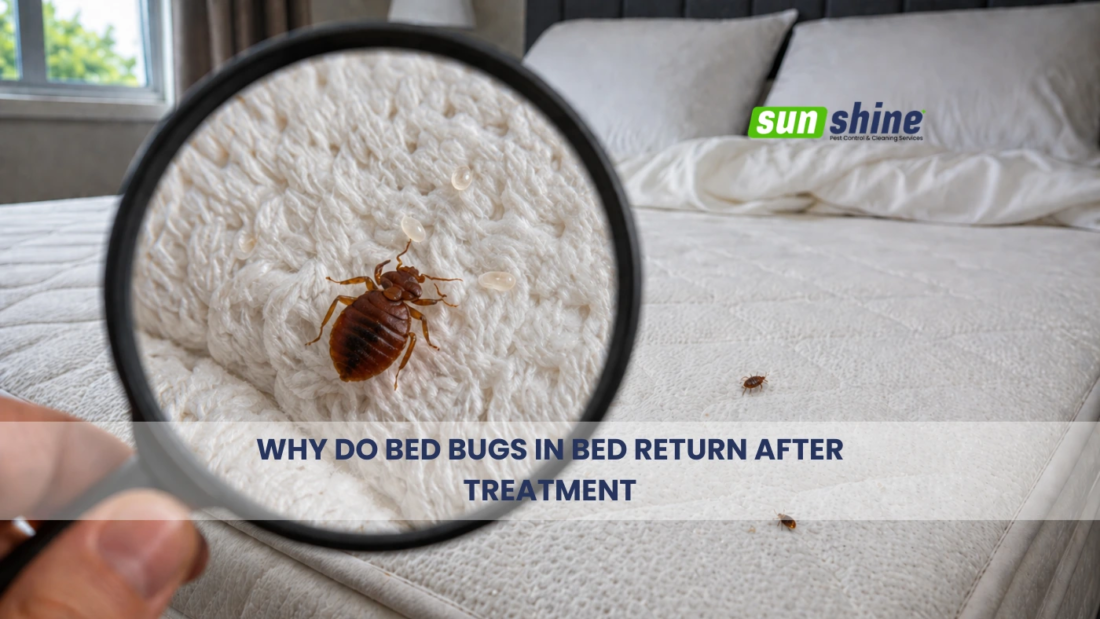
Bed bugs hide in tiny cracks during treatment. Eggs survive heat, cold, and chemicals easily. Females lay up to 500 eggs over months. One missed egg restarts the infestation fast. Nymphs hatch hungry and bite within days. Adults live six months without feeding. Treatment kills visible bugs but misses future generations. Sweep under beds daily to catch new signs early.

Incomplete Initial Treatment Coverage

Professionals miss spots without full inspection. Bugs hide in picture frames, outlets, and headboards. Steamers skip deep mattress seams sometimes. Sprays fail against eggs with tough shells. One untreated room spreads bugs housewide. Always ask for whole-home treatment plans. Check baseboards weekly after service.

Reinfestation from Outside Sources

Travelers bring bed bugs home on luggage. Used furniture from markets carries hidden hitchhikers. Guests sleep over and spread pests unknowingly. Secondhand clothing stores supply infested items too. Inspect bags immediately after trips. Wash clothes in hot water right away. Keep luggage off bedroom floors.

Resistance to Common Treatments

Bed bugs evolve fast against insecticides. Populations have survived pyrethroids used for decades. New generations laugh at old sprays. Heat treatments work better but need high temperatures everywhere. Cold methods fail unless below freezing for days. Rotate treatment types for success. Monitor bites monthly to spot resistance early.

Common treatment failures:

  • Surface sprays miss deep hiding spots
  • Single-room focus lets bugs migrate
  • Low-temperature heat leaves eggs alive
  • Eggshells block chemical penetration

Wrong DIY Products and Methods

Store sprays push bugs to new areas. Foggers explode populations by forcing movement. Mattress covers trap bugs inside longer. Homeowners skip vacuuming first, spreading eggs further. Bleach damages fabrics but spares live bugs. Follow label directions exactly every time. Discard ineffective products fast.

Hidden Harborages You Miss

Bed bugs love tight spaces. Electrical boxes shelter dozens per square inch. Loose wallpaper holds entire colonies behind it. Upholstered headboards trap bugs between layers. Nightstands with drawers create perfect nests. Use flashlight inspections at night when bugs move. Sticky traps catch wanderers early.

Top hiding spots after treatment:

  • Wall voids behind outlets
  • Under carpet tack strips
  • Inside box spring frames
  • Picture frame backing layers

Neighbor and Multi-Unit Spread

Apartments share walls with infested neighbors. Bugs crawl through electrical conduits easily. Shared laundry rooms transport them between units. Elevator bags drop eggs on the floors. Building-wide treatment works best here. Talk to property managers early. Seal cracks between units permanently.

Mattress and Bedding Issues

Old mattresses harbor thousands despite treatment. Zippers gap and let bugs escape covers. Washing sheets spreads eggs to the dryer. Pillowcases hide clusters near faces. Replace infested bedding completely. Double-bag trash when discarding. The new mattress covers the seal forever.

Follow-Up Inspection Gaps

No second visit confirms success. Surviving bugs repopulate quietly for months. Bite patterns change as populations grow. Professionals schedule follow-ups. 14 days later. DIY homeowners skip this critical step. Set phone reminders for weekly checks. Document progress with photos.

Understanding Treatment Guarantees

Cheap services offer one-visit wonders. Quality companies guarantee results with follow-ups. Ask about re-treatment policies upfront. Some cover return visits free for 30 days. Written contracts protect your investment. Read the fine print carefully, always.

Prevention Habits After Treatment

Daily bed-making disturbs hiding bugs. Pull sheets tight every morning. Vacuum mattress edges weekly with a crevice tool. Launder bedding weekly in 120°F water. Steam clean the bed frame monthly. Sticky monitors catch problems early. These habits break the return cycle permanently.

Long-Term Monitoring Tools

Install bed bug interceptors under bed legs. They trap climbing bugs visibly. CO₂ traps lure and capture night movers. UV flashlights reveal eggs glowing white. Canine inspections find bugs humans miss. Replace monitors monthly without fail.

Bug Control Services Make a Difference

Complex infestations need specialized equipment. Bug control services bring industrial steamers and heaters. They access wall voids that pros reach easily. Multiple chemical classes fight resistance better. Whole-home protocols prevent migration. Certified technicians spot problems fast. Results last year with proper follow-up.

Sunshine: The Best Pest Control Company in Riyadh

Sunshine leads as the pest control company in Riyadh. Families trust their complete bed bug elimination protocols. Trained teams inspect every hiding spot thoroughly. They use hospital-grade equipment that kills eggs too. Follow-up visits ensure zero returns guaranteed.

Sunshine provides a cleaning service in Riyadh that handles post-treatment mess perfectly. The teams remove dead bugs and sanitize mattresses completely. Carpet extraction pulls chemicals from fibres safely. Bedroom restoration happens the same day, usually. Customers sleep peacefully after one visit.

Chemical Resistance Testing Basics

Labs test bed bug samples for weaknesses. Common markers show pyrethroid survival rates. Pros collect live samples during inspection. Results guide proper chemical choices. Rotate products yearly to stay ahead. Home test kits confirm resistance early.

Whole-Home Versus Room Treatment

Single-room focus fails 80% of the time. Bugs move to adjacent bedrooms overnight. Living room couches become new nests. Kitchen appliances shelter wanderers, too. Treat entire houses simultaneously only. Empty rooms during service completely. Stay in hotels during heavy treatments.

Seasonal Return Patterns

Spring cleaning disturbs dormant bugs. Summer travel brings new infestations home. Fall furniture shopping risks increase sharply. Winter crowding helps bugs spread indoors. Year-round vigilance beats seasonal spikes. Adjust prevention based on calendar months.

FAQs About Bed Bugs Returning

1. How soon do bed bugs return after treatment?
Most return 7-14 days later from missed eggs hatching or neighbors spreading through walls. Some appear sooner if treatment misses major harborages like wall voids. Monitor the first month closely.

2. Can I sleep in the treated room immediately?
Wait a minimum 4 hours for chemicals to settle. Stronger treatments need 24 hours of full ventilation with open windows and fans running. Sensitive people wait 48 hours if possible.

3. Do bed bug covers prevent a complete return?
Covers stop mattress reinfestation completely but cannot prevent bugs from spreading from room to room. Combine with interceptors under the bed legs for a full protection system.

4. Why more bites after professional treatment?
Surviving bugs feed heavily before dying completely, causing bite counts to peak around day 5, then drop sharply. This panicked feeding phase confuses homeowners temporarily.

5. How often should follow-up inspections happen?
Check weekly the entire first month, then every two weeks through month three, and monthly through six months. Use a flashlight at night when bugs move actively.

6. Will freezing kill all bed bugs in bed?
Freezing works only if every bug reaches 0°F (-18°C) continuously for four full days. Home freezers rarely achieve this temperature or duration needed for egg death.

Conclusion

Bed bugs in bed return from multiple failure points. Eggs, hiding spots, and resistance create tough cycles. Proper treatment plus prevention stops them forever. Start inspection routines today for peace of mind.

Don’t let bed bugs win again. Call Sunshine now at +966 50 606 1585. Schedule your guaranteed elimination service today. Sleep bug-free starting tomorrow.
clean marble floors without surface scratches

How To Clean Marble Floors Without Surface Scratches

Marble floors bring elegance and luxury to any home. But scratches can ruin their beauty fast. Homeowners often worry about damaging this expensive surface during cleaning. Good news: you can clean marble floors safely and keep them scratch-free. This guide shares proven methods that work every time.

Why Marble Floors Get Scratched Easily

Marble is a natural stone that looks stunning but needs gentle care. Its soft surface scratches easily when you clean marble floors with gritty dirt or wrong tools. Dust from desert winds carries fine sand that acts like sandpaper. Regular sweeping helps but misses hidden risks. Acidic cleaners etch the polish while abrasive pads leave marks. Understanding these dangers helps you avoid costly repairs. Marble loses value when scratched and looks dull fast. Proper techniques keep the shine for years.

clean marble floor

Tools You Need for Safe Cleaning

Gather the right supplies before you clean marble floors. A soft microfiber mop prevents any grit damage. Use pH-neutral cleaner made for stone floors. Buckets with warm water dilute solutions safely. Cotton cloths or chamois dry surfaces without streaks. Soft-bristle brush tackles grout lines gently. Avoid vacuums with beater bars. They grind dirt into marble. Rubber gloves protect your hands from cleaners. These basic tools make the job easy and safe.

  • Microfiber mop with flat head
  • pH-neutral stone cleaner
  • Two clean buckets
  • Lint-free drying cloths
  • Soft nylon brush
  • Distilled water spray bottle

Step-by-Step Guide to Clean Marble Floors

Follow these steps for perfect results every time. Start in a small area to test your method. This prevents surprises on large spaces.

Step 1: Dry Dust First
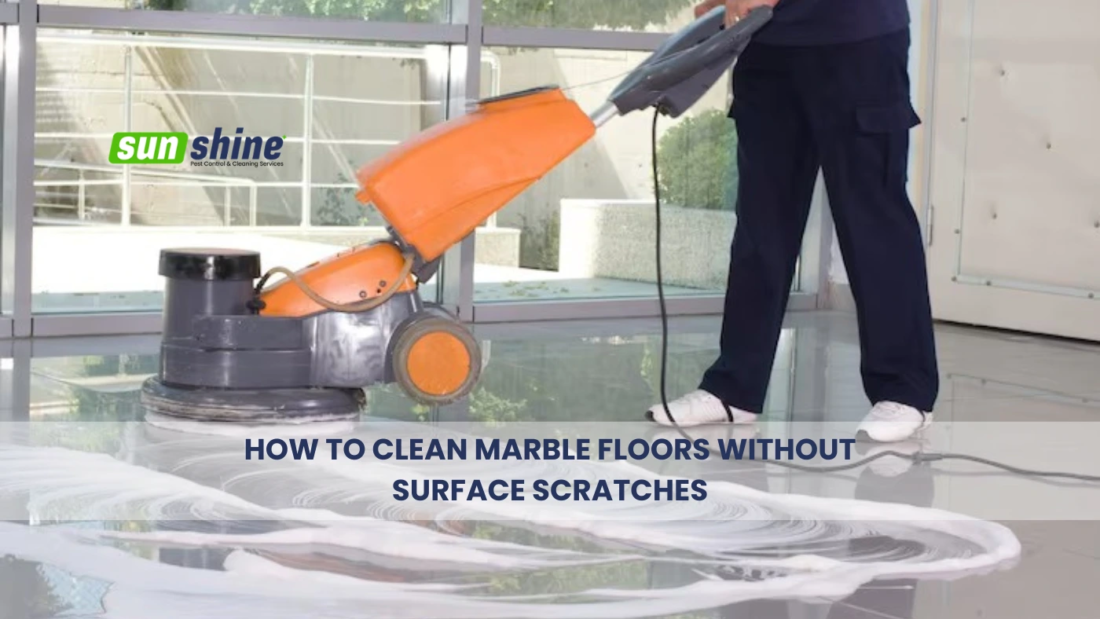
Sweep gently with a soft broom or microfiber dust mop. Work in one direction to avoid spreading grit. Vacuum edges with a soft brush attachment. Never use stiff bristles.

Step 2: Prepare Cleaning Solution
Mix pH-neutral cleaner with warm water. Follow bottle ratios exactly. Too much concentrate harms marble. Stir gently.

Step 3: Mop in Sections
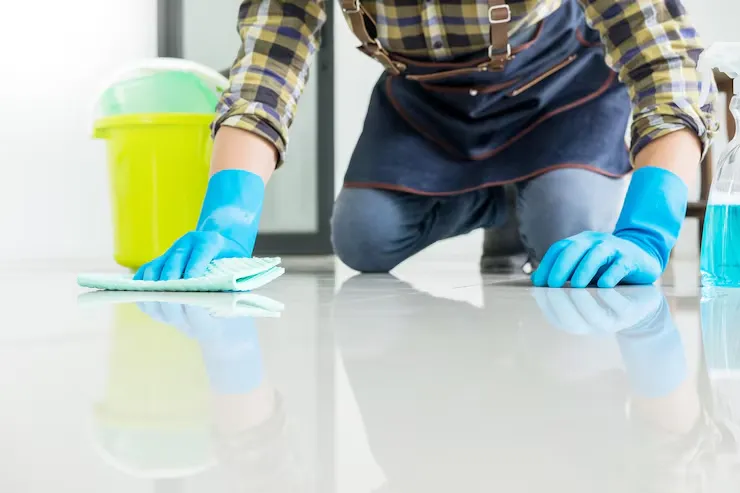
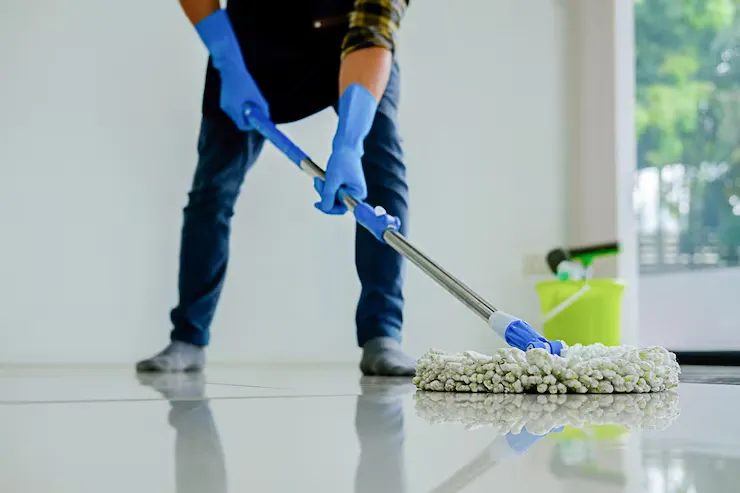
Dip mop in solution and wring well. Mop in straight lines following floor grain. Use light pressure. Rinse mop often in a clean water bucket.

Step 4: Rinse Thoroughly
Change to plain distilled water. Mop again to remove cleaner residue. Residue attracts dirt later.

Step 5: Dry Immediately
Wipe with soft clothes right away. Buff lightly for shine. Open windows for air flow.

Repeat weekly for best results. This routine keeps marble floors spotless without scratches.

Daily Maintenance for Scratch Prevention

Quick habits stop problems before they start. Shake out rugs at entryways daily. They trap outside sand. Spot clean spills instantly with damp cloth. Dry sand turns into grinding paste overnight. Place felt pads under furniture legs. They stop scratches from moving chairs. Polish monthly with stone sealer for protection. Check for loose grout quarterly. These simple steps save time and money long-term.

Common Mistakes That Scratch Marble

Many people damage floors without knowing. Abrasive cleaners contain grit that polishes away shine. Steel wool or rough sponges grind surfaces. Mixing bleach with ammonia creates toxic fumes and etching. Over-wetting leads to water marks under rugs. Skipping drying traps moisture in grout. Hot water warps some sealers. Learn from these errors to protect your investment.

Natural Cleaners Safe for Marble

Skip harsh chemicals for home remedies. Baking soda paste removes stains gently. Mix with water to thick paste. Apply, wait 10 minutes, wipe off. White vinegar diluted 1:10 works on soap scum. Test first in the corner. Club soda fizzles away light marks. Lemon juice only for sealed marble and rinse fast. These options cost less and smell better. Always dry well after use.

Deep Cleaning for Heavy Stains

Stains happen despite care. Poultice draws out deep marks. Mix baking soda and water to paste. Cover stain with plastic wrap overnight. Wipe clean next day. Hydrogen peroxide works on organic stains like coffee. Apply full strength, cover, and rinse after 24 hours. For ink, rubbing alcohol on cotton swabs lifts color fast. Call pros for etched spots. They restore polish professionally.

Hot Climate Tips for Marble Care

Desert heat challenges marble floors. High humidity swings crack unsealed stone. Dust storms bring extra grit. Seal floors twice yearly for protection. Use fans to dry after cleaning. Avoid direct sun on wet marble. It spots fast. Cool water prevents thermal shock. These adjustments keep floors pristine year-round.

Why Professional Help Matters Sometimes

DIY works for routine care. But pros handle tough jobs. A floor cleaning service in Riyadh brings specialized equipment. They polish without damage and reseal properly. Training ensures no mistakes. Busy homeowners save hours this way. Results last longer with expert touch.

Sunshine: Riyadh’s Best Cleaning Company

Sunshine stands out as the best cleaning company in Riyadh. Families trust their gentle marble methods for years. Trained teams use commercial-grade pH-neutral solutions. They inspect floors first to spot risks. Eco-friendly products protect kids and pets. Quick service fits busy schedules.

As a trusted home cleaning company Riyadh residents rely on, Sunshine brings specialized marble care to villas across the city. Customers rave about scratch-free shine that lasts. Free quotes help plan ahead. Sunshine guarantees satisfaction every visit.

clean marble floor home

Sealing Marble for Long-Term Protection

Fresh sealant blocks stains and scratches. Clean floors first and let dry 24 hours. Apply a thin coat with soft cloth. Wait 30 minutes, buff excess. The second coat boosts durability. Reapply every 6-12 months. Test water drop: if beads up, sealant works. This step halves cleaning effort.

Choosing the Right Products

Read labels carefully. Look for “marble safe” or “acid-free.” Avoid all-purpose cleaners. Stone-specific brands prevent etching. Buy in bulk for villas. Store in a cool place. Test new products on hidden spots always.

Benefits of Scratch-Free Marble Floors

Shiny marble boosts home appeal. It reflects light for a spacious feel. Clean floors impress guests instantly. Value holds steady without repairs. A healthier home means less dust buildup. Enjoy luxury without worry.

Quick Fixes for Minor Scratches

Light marks buff out easily. Toothpaste with baking soda works wonders. Rub gently in circles. Wipe clean and polish. Deeper ones need pro buffing. Act fast before they set.

FAQs About Cleaning Marble Floors

1. Is dish soap safe for marble floors?
No. Dish soap often contains acids or degreasers that etch marble over time. Always choose pH-neutral stone cleaners instead.

2. How do I know if my marble needs resealing?
Drop water on the surface. If it soaks in within 5 minutes instead of beading up, reseal immediately to protect from stains.

3. Can I use a regular vacuum on marble?
Only with a soft brush attachment. Beater bars or hard wheels grind sand into the stone like sandpaper.

4. What causes cloudy spots after cleaning?
Residue from alkaline cleaners or hard water minerals. Rinse twice with distilled water and dry completely.

5. How long does the cleaning solution sit on stains?
Never let cleaners sit for over 2 minutes. Prolonged contact etches the polish and damages the stone.

6. Will marble floors scratch from high heels?
Yes. Spiked heels act like chisels. Use protective pads and ask guests to remove shoes at the entry.

Conclusion

Marble floors transform homes into showplaces when kept scratch-free. These proven methods protect your investment for decades. Start with proper tools and build good habits. Your floors will shine brighter with every cleaning.

Tired of worrying about marble damage? Call Sunshine today at +966 50 606 1585. Get your free quote and professional cleaning scheduled now. Perfect results guaranteed.

Bathroom Cleaning Removes Hard Water Stains

How Bathroom Cleaning Removes Hard Water Stains Fast

Hard water stains turn shiny bathroom surfaces into chalky, spotted messes that no amount of wiping seems to fix. Those white, cloudy marks on faucets, shower doors, and tiles come from mineral deposits in the water supply that build up quickly in humid bathrooms. Proper bathroom cleaning breaks down these stubborn spots in minutes using the right techniques and solutions.

Homeowners face this problem daily because regular soap and water just spread the minerals around instead of removing them. A targeted bathroom cleaning approach dissolves the deposits completely and prevents them from returning so fast next time.

Why do hard water stains form so quickly

Hard water contains high levels of calcium and magnesium that leave behind invisible residue every time water evaporates. In bathrooms, this happens constantly from showers, sinks, and toilets. The minerals bond to glass, metal, and tile surfaces, creating that familiar white film.

Humidity makes the problem worse because water droplets stay on surfaces longer. Each drying cycle adds another layer until the buildup becomes visible and nearly impossible to remove with basic scrubbing. That is why stains appear suddenly after just a few weeks of normal use.

brush cleaning tile bathroom

How minerals damage bathroom surfaces

The chalky layer does more than look bad. It etches glass shower doors, dulls chrome fixtures, and weakens grout lines over time. Acidic cleaners used to fight the stains can make matters worse by eating away at delicate finishes if applied incorrectly.

Left untreated, the buildup traps soap scum and bacteria beneath the surface. This creates a breeding ground for mold and odors that regular cleaning cannot reach. Proper bathroom cleaning removes the root cause before secondary problems develop.

Step-by-step bathroom cleaning process

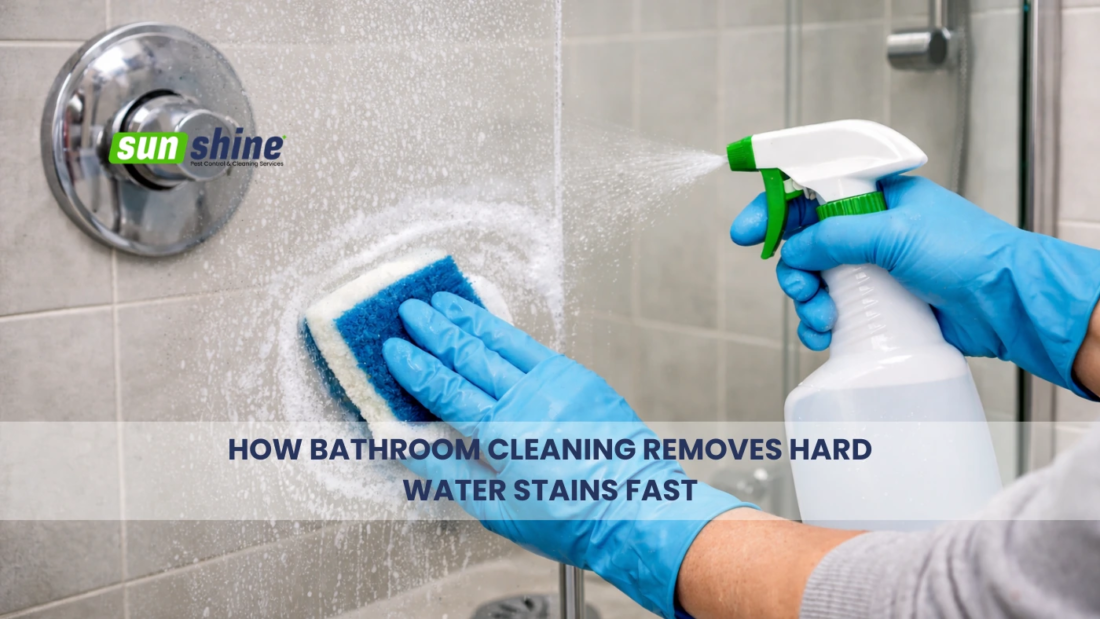
Start with dry surfaces for best results. Spray full-strength white vinegar generously on all stained areas and let it sit for three to five minutes. The fizzing action shows the minerals dissolving right before your eyes.

Use a soft microfiber cloth or non-scratch sponge to wipe in circular motions. For stubborn spots on glass, wrap a vinegar-soaked cloth around the area and leave it for ten minutes before scrubbing. Rinse everything thoroughly with clean water to remove dissolved minerals.

Tools that make bathroom cleaning faster

The right equipment cuts cleaning time in half while protecting surfaces from scratches.

  • Microfiber cloths trap minerals without scratching.
  • Spray bottles with fine mist work better than streams.
  • Plastic scrapers safely lift heavy buildup from glass.
  • Rubber squeegees prevent water spots after showers.
  • Soft-bristle brushes reach grout lines effectively.
  • A bucket with a wringer keeps floors dry during cleaning.

These basic tools create professional results without expensive equipment purchases.

Why does heat speed up the cleaning process?

Warm vinegar works two times faster than cold because heat helps minerals release from surfaces more easily. Run hot tap water over fixtures first, then apply heated vinegar for instant results on showerheads and faucets.

For tile walls, use a hairdryer on low heat after spraying vinegar. The combination softens deposits so they wipe away with minimal effort. This method works especially well on calcium rings around drains and soap dishes.

Best bathroom cleaning schedule to prevent stains

Daily squeegeeing after showers stops 90 percent of water spot formation. Weekly vinegar sprays on fixtures keep light buildup from turning heavy. Monthly deep cleaning removes any stubborn deposits before they harden permanently.

New bathrooms need extra attention during the first six months as construction dust combines with minerals. Regular maintenance prevents the need for harsh chemical treatments that damage finishes over time.

Grout cleaning techniques that actually work

Grout traps minerals deep in porous surfaces where sprays alone cannot reach. Mix baking soda with vinegar to form a paste and apply it directly to stained lines. Let it bubble for ten minutes, then scrub with a stiff nylon brush.

For heavy buildup, steam cleaners loosen minerals without chemicals. The high heat penetrates grout better than liquids and sanitizes at the same time. Regular grout maintenance keeps tiles looking fresh between full bathroom cleanings.

Why polishing comes after cleaning

Buffing surfaces with a dry microfiber cloth after rinsing creates a smooth barrier that repels new minerals. Chrome faucets shine like new, and glass doors stay spot-free longer. This final step takes two minutes but doubles protection time.

Lemon juice works as a natural polish for metal fixtures. The citric acid removes any remaining film while leaving a fresh scent. Polished surfaces show water beading up instead of spreading and drying with spots.

Professional help for extreme buildup

When years of neglect create thick mineral layers, DIY methods take hours with poor results. Professionals use stronger acids safely and specialized rotating brushes that remove deposits vacuum cleaners cannot touch.

A cleaning company in riyadh handles high-rise apartments and large villas where bathroom cleaning requires scaffolding and industrial vacuums. They also spot plumbing issues caused by mineral-clogged drains before small problems become expensive repairs.

Sunshine as the trusted solution

Sunshine earns its reputation as the best home cleaning company riyadh through proven bathroom cleaning methods that deliver sparkling results. Our teams use commercial-grade vinegar solutions and steam equipment that cut through decades-old stains safely.

Homeowners choose Sunshine for consistent quality across multiple bathrooms and fast service that fits busy schedules. The company trains staff specifically for hard water challenges common in the region, ensuring every surface shines without damage.

bathroom cleaning service

Why prevention beats constant cleaning

Daily habits prevent 80 percent of hard water problems before they start. Keep a squeegee by every shower, spray vinegar weekly on fixtures, and wipe sinks dry after use. These three steps cut deep cleaning frequency in half.

Water softeners installed at the main line provide permanent protection for new homes. Combined with regular bathroom cleaning, they eliminate most mineral buildup entirely. The initial investment pays off through lower cleaning time and longer fixture life.

Common mistakes that make stains worse

Spraying cleaner on dry buildup often pushes minerals deeper into surfaces. Always pre-wet everything first. Abrasive pads scratch glass and chrome, creating permanent cloudiness that attracts more dirt.

Bleach creates toxic gas when mixed with vinegar accidentally. Keep chemicals separate and work in well-ventilated spaces. Over-wetting floors leads to slippery surfaces and grout damage from standing water.

Frequently Asked Questions

1. How long does vinegar take to remove hard water stains?

Vinegar typically works in 3-5 minutes on light stains and 10 minutes for heavy buildup. Heat speeds up the process significantly for faster results.

2. Can hard water damage bathroom fixtures permanently?

Yes, prolonged exposure etches glass, pits chrome, and weakens grout. Regular bathroom cleaning prevents permanent surface damage.

3. What is the best weekly bathroom cleaning routine?

Daily squeegeeing, weekly vinegar spray on fixtures, and monthly grout paste treatment keep stains under control year-round.

4. When should homeowners call professional cleaners?

Call when DIY methods fail after 30 minutes, stains return weekly, or buildup threatens expensive fixtures and surfaces.

5. Does polishing after cleaning really prevent new stains?

Yes, dry buffing creates a mineral-repelling barrier that doubles protection time between deep cleanings.

Conclusion

Bathroom cleaning removes hard water stains fast when using vinegar, heat, and the right tools in proper sequence. This simple process restores shine to fixtures, glass, and tiles while preventing damage from mineral buildup.

Ready for sparkling results? Sunshine delivers expert bathroom cleaning that handles tough stains safely. Call +966 50 606 1585 today to book your service and enjoy spot-free surfaces.

Exterior house cleaning

How Exterior House Cleaning Prevents Costly Surface Damage

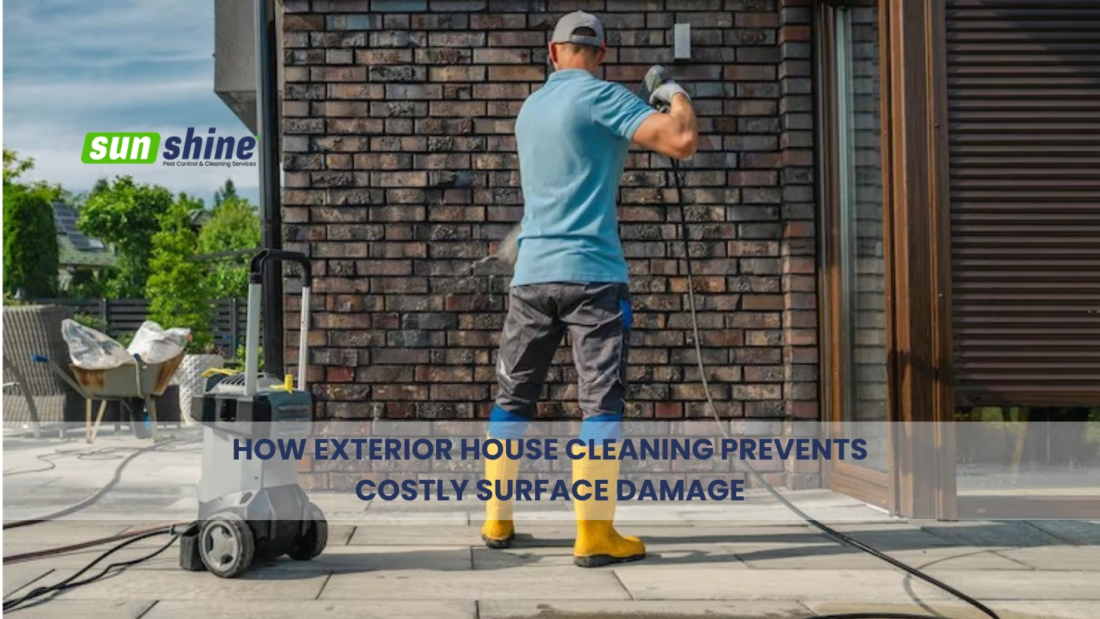
Homeowners know that the outside of a house takes a beating from weather, dust, and daily wear. What starts as a thin layer of grime can turn into cracks, peeling paint, and weakened surfaces that cost thousands to fix. Regular exterior house cleaning stops that damage before it starts by removing buildup that weakens walls, roofs, and foundations over time.

This simple maintenance step protects your biggest investment. Dirt and pollutants do not just make a home look tired. They actually break down materials and create problems that get worse each year.

Why Surface Damage Happens So Fast

Dust and sandstorms settle on walls and create a rough layer that traps moisture. Over time, this mix eats away at paint, stucco, and concrete. Small cracks form first, then water seeps in during rain, causing bigger structural issues.

Without cleaning, the problem snowballs. What looks like surface dirt becomes a breeding ground for mold, algae, and rust stains. These not only look bad but also weaken the materials underneath, leading to repairs that add up quickly.

How Dirt Buildup Weakens Home Surfaces

Every rain, wind, or heat cycle makes dirt stick tighter to exterior walls. This buildup acts like sandpaper against paint and siding. It traps heat, speeds up fading, and creates weak spots where water can penetrate.

Left alone for a couple of years, this turns into pitting, flaking, and discoloration. Homeowners often notice it first as faded colors or chalky residue. By then, the damage has already started beneath the surface.

Exterior house cleaning company

The Role Of Exterior House Cleaning In Protection

Exterior house cleaning uses water pressure, gentle chemicals, and brushing to lift away years of grime. This process reveals the clean surface and stops the cycle of damage. Clean walls shed water better, dry faster, and resist pollutants.

The cleaning also seals tiny cracks before they widen. Fresh surfaces accept protective coatings more evenly, creating a barrier against future dirt and moisture. This is one of the reasons why regular cleaning is a worthwhile investment.

Common Surface Damage Signs To Watch

Homeowners can spot trouble early if they know what to look for. These signs show when exterior cleaning can still prevent bigger problems.

  • Faded or chalky paint on walls.
  • Green or black streaks near rooflines.
  • Cracks in stucco or plaster surfaces.
  • Rust stains around metal fixtures.
  • Peeling edges on window frames.
  • White powdery buildup on concrete.
  • Dark spots that spread after rain.

Catching these early means less repair work and lower costs down the road.

Why Timing Matters For Exterior Cleaning

Cleaning works best when done before damage sets in. Early spring and fall give the best results because surfaces dry quickly and coatings stick well. Waiting until problems appear means more work and higher service fees.

In dusty areas, homes need attention every six to twelve months. New paint jobs benefit most from cleaning right after curing. That removes construction dust and sets up the surface for long-lasting protection.

Materials That Benefit Most From Cleaning

Different home surfaces react to dirt in unique ways. Cleaning restores each one without causing harm when done right.

  • Stucco walls stay smooth and crack-free.
  • Brick maintains color and mortar strength.
  • Concrete driveways resist pitting and stains.
  • Vinyl siding looks new without fading.
  • Wood trim prevents rot and peeling.
  • Metal gutters avoid rust buildup.

Each material has ideal cleaning methods that extend its life without harsh abrasion or chemicals.

Professional Methods Versus Home Attempts

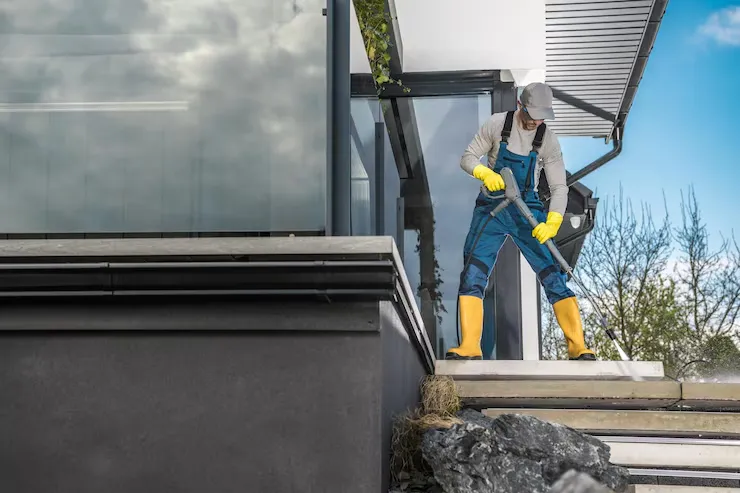
Homeowners often grab a hose or basic pressure washer for quick results. These work for light dust but miss deep grime and can damage surfaces if the pressure is too high. Professionals use the right psi levels, eco-friendly solutions, and surface-specific techniques.

A cleaning company in riyadh brings equipment that reaches second-story walls safely. They also spot early damage and recommend fixes before costs climb. That expertise saves time and prevents the very problems that cleaning aims to stop.

Long-Term Cost Savings From Regular Cleaning

One cleaning session costs far less than repainting or stucco repair. Dirty surfaces need more paint layers and prep work, driving up expenses. Clean homes also sell faster and for better prices because buyers see quality maintenance.

Insurance claims drop too when surfaces stay strong. Cracked walls from unchecked grime lead to water damage claims. Clean exteriors show responsibility and keep premiums steady over time.

How Cleaning Supports Home Resale Value

Buyers judge homes in seconds from the street. A clean exterior signals care and quality inside. It also hides small flaws that dirty walls highlight. Agents recommend cleaning before listings for that instant appeal.

Clean surfaces photograph better for online listings. Professional shots show true colors and textures without grime dulling the look. That attracts more serious offers and competitive bids.

Simple Preparation Steps For Best Results

Homeowners can help the process work smoothly with basic prep.

  • Clear plants and furniture from the walls.
  • Rinse loose dirt with a garden hose first.
  • Cover delicate plants with plastic sheets.
  • Trim back overgrown bushes touching walls.
  • Close windows during the cleaning process.
  • Allow full drying before applying sealants.

These steps make the job faster and ensure every surface gets proper attention.

Exterior house cleaning services

Sunshine As The Reliable Choice

Sunshine stands out as the best cleaning company in riyadh for homeowners who want proven exterior care. Their teams handle villas, townhouses, and apartments with methods that protect surfaces while removing deep-set grime.

A home cleaning company riyadh residents trust offers packages that fit different home sizes and budgets. That makes maintaining a clean exterior simple and effective year-round.

Why Pressure And Technique Matter Most

Wrong pressure strips paint or gouge soft stucco. Too few leaves remain behind to be damaged later. Skilled cleaners adjust for each surface and start low to test results.

They also use soft washing for delicate areas and hot water for oil stains. These choices prevent the surface harm that DIY attempts often cause. Proper drying follows to avoid trapped moisture.

Seasonal Cleaning Schedules That Work

Homes in dry climates benefit from twice-yearly cleaning. Spring removes winter dust, while fall clears summer pollen and sand. Monsoon seasons call for immediate follow-up to prevent mold.

New homeowners should clean within the first month to remove construction residue. That sets a strong base for years of protection and easier upkeep ahead.

Frequently Asked Questions

1. How often should exterior house cleaning be done?

Most homes benefit from cleaning every 6-12 months, depending on local dust levels and weather exposure. New paint jobs need attention within the first month.

2. Can exterior house cleaning damage my home surfaces?

When done professionally with proper pressure and solutions, no. Wrong techniques, like high-pressure washing on soft stucco can cause harm.

3. What surfaces benefit most from exterior cleaning?

Stucco, brick, concrete, vinyl siding, wood trim, and metal gutters all show dramatic improvement and protection from regular cleaning.

4. How much does exterior house cleaning typically cost?

Costs vary by home size and condition, but one professional cleaning session costs far less than surface repairs or repainting later.

5. When Is The Best Time For Exterior House Cleaning?

Spring and fall work best because surfaces dry quickly. Avoid the monsoon season when mold growth accelerates after cleaning.

Conclusion

Exterior house cleaning prevents costly surface damage by stopping grime before it weakens walls, paint, and foundations. Regular attention keeps homes looking sharp, protects investments, and avoids expensive repairs down the road.

Looking for trusted exterior care? Sunshine provides expert cleaning that safeguards your home. Call +966 50 606 1585 today to schedule service and keep your surfaces strong.