

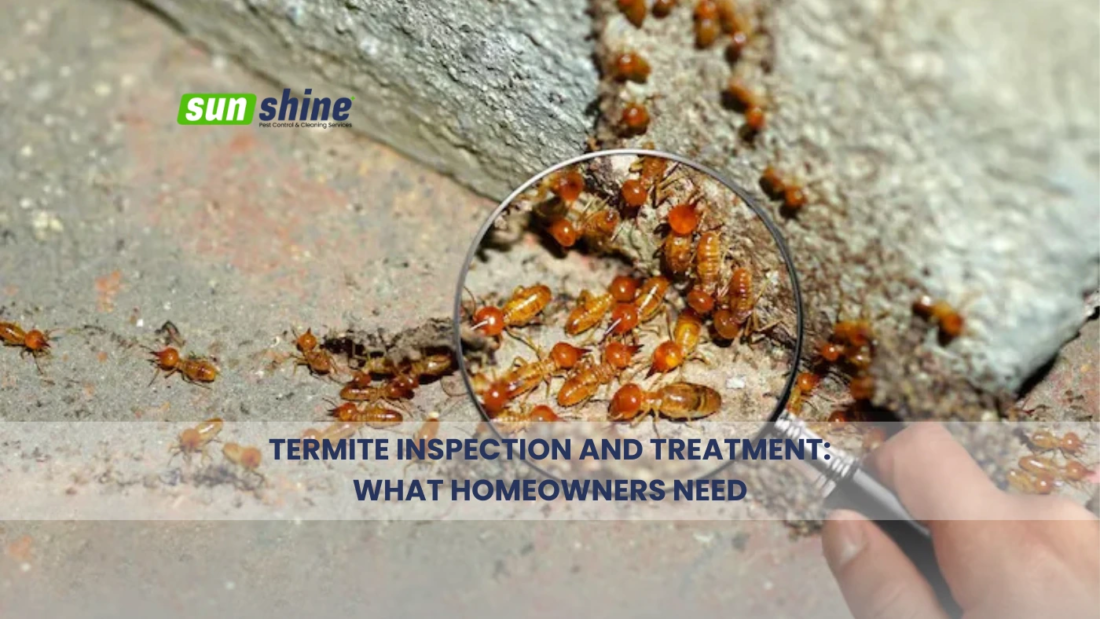
Termites silently destroy homes, causing extensive structural damage before homeowners notice. Termite inspection and treatment provide essential protection, combining early detection with targeted eradication to safeguard properties effectively. This guide explains processes, signs, prevention, and professional strategies every homeowner should understand.
Understanding Termite Threats
Subterranean termites, common in arid climates, tunnel through soil to reach wood structures. Drywood termites infest furniture directly. Both species consume cellulose, weakening beams, floors, and walls over time. Annual property losses reach millions, making proactive termite inspection and treatment critical for long-term home integrity.
Homeowners often discover issues during routine maintenance or real estate transactions. Early intervention prevents escalation from minor activity to severe damage requiring costly repairs.
Signs Indicating Need for Termite Inspection and Treatment
Recognize these common indicators:
- Mud tubes climbing foundation walls
- Discarded wings near windows or doors
- Hollow-sounding timber when tapped
- Bubbling paint or frass (termite droppings)
- Sagging floors, sticking doors, or warped frames
Visual checks reveal surface activity, but hidden colonies demand professional tools for accurate diagnosis. Prompt termite inspection and treatment halt progression, preserving structural safety.
The Professional Termite Inspection Process
Licensed technicians follow standardized protocols during inspections:
Exterior Evaluation: Examine soil grading, foundation cracks, and wood-soil contacts for entry points and mud shelters. Moisture meters detect damp zones attracting termites.
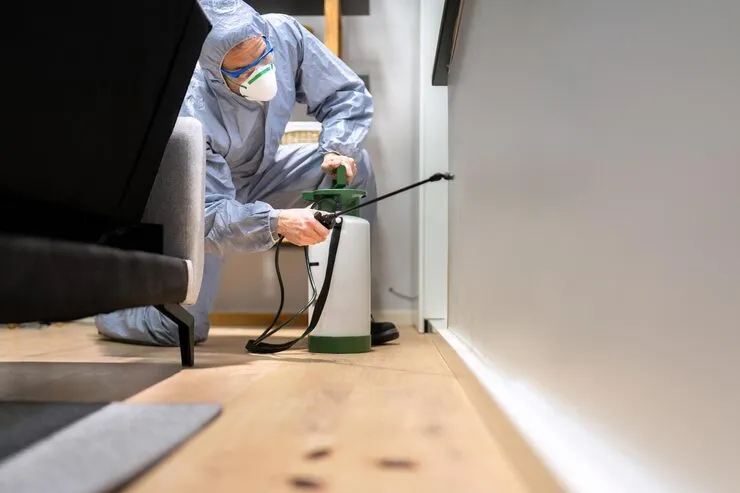
Interior Scanning: Probe walls, attics, crawl spaces, and framing using sounding tools and borescopes. Thermal imaging identifies active nests.
Risk Assessment: Note conducive conditions like poor ventilation or excess mulch. Comprehensive reports detail findings, severity levels, and recommended actions.
Inspections last 60-90 minutes. Homeowners prepare by clearing access around perimeters and removing stored items near walls.
Available Termite Treatment Methods
Post-inspection, treatments target colonies comprehensively:
Liquid Soil Barriers: Non-repellent termiticides like fipronil create protective zones around foundations, killing termites through contact or ingestion. Applied via trenching or rods, these last 5-10 years.
Baiting Systems: In-ground stations monitor and deploy slow-acting growth inhibitors. Termites share bait with colonies, achieving gradual elimination without structural disruption.
Localized Spot Treatments: Foam or injection methods address accessible drywood infestations in walls or furniture.
Fumigation: Sealed structures receive gas treatments for widespread drywood problems, penetrating all wood surfaces effectively.
Modern options emphasize low-toxicity, environmentally considerate formulas approved for residential use.
Benefits of Professional Termite Pest Control
Reputable providers like Sunshine deliver specialized termite pest control with guarantees. Technicians identify species-specific threats and apply precise dosages, minimizing chemical exposure. Follow-up monitoring ensures treatment efficacy, often backed by 5-year renewable warranties.
DIY attempts risk incomplete eradication and health hazards from improper pesticide use. Professionals provide documentation valuable for insurance and resale.

Selecting a Trusted Pest Control Company Riyadh
Homeowners evaluate providers based on licensing, experience, and local expertise. Sunshine, a trusted pest control company Riyadh, understands the regional behaviors and soil conditions of subterranean termites. They provide detailed quotes, warranty terms, and references. Certifications from pest management associations highlight their reliability.
Avoid low bids lacking guarantees; Sunshine’s quality service prevents repeat infestations and higher long-term costs.
Prevention Strategies Complementing Termite Inspection and Treatment
Ongoing habits reduce risks significantly:
- Maintain 6-8 inches of clearance between soil and wood siding
- Eliminate wood debris and mulch piles near foundations
- Repair leaks promptly and ensure proper drainage
- Use pressure-treated lumber for additions or repairs
- Install metal mesh barriers during construction
Combine these with bi-annual visual checks and scheduled professional services for a layered defense.
Long-Term Termite Management Plans
Sustained protection integrates multiple elements:
Annual inspections detect re-infestations early. Quarterly monitoring stations track activity around perimeters. Re-applications maintain barrier strength as needed.
Homeowners participate through vigilant maintenance, creating comprehensive defense systems. Established pest control company Riyadh coordinates these schedules seamlessly.
Preparing Your Home for Termite Inspection and Treatment
Before Inspection:
- Trim vegetation touching the structure
- Move firewood 20 feet away
- Expose crawl space access
During Treatment:
- Vacate premises for fumigation
- Cover aquariums and plants
- Secure pets temporarily
Post-treatment ventilation ensures safety. Technicians provide re-entry guidelines and follow-up protocols.
Conclusion
Termite inspection and treatment form the cornerstone of home protection against silent destroyers. Homeowners gain peace of mind through professional expertise, preventive measures, and reliable termite pest control. Schedule regular evaluations to preserve property value, safety, and livability for generations.
Protect your home from termite damage with Sunshine, the trusted Pest Control company in Riyadh. Call +966 50 606 1585 now for expert termite inspection and treatment services designed for lasting safety.